Finding Gas Stations for Your Truck and Trailer: What Actually Works
The real fix: truck stops that sell regular gas
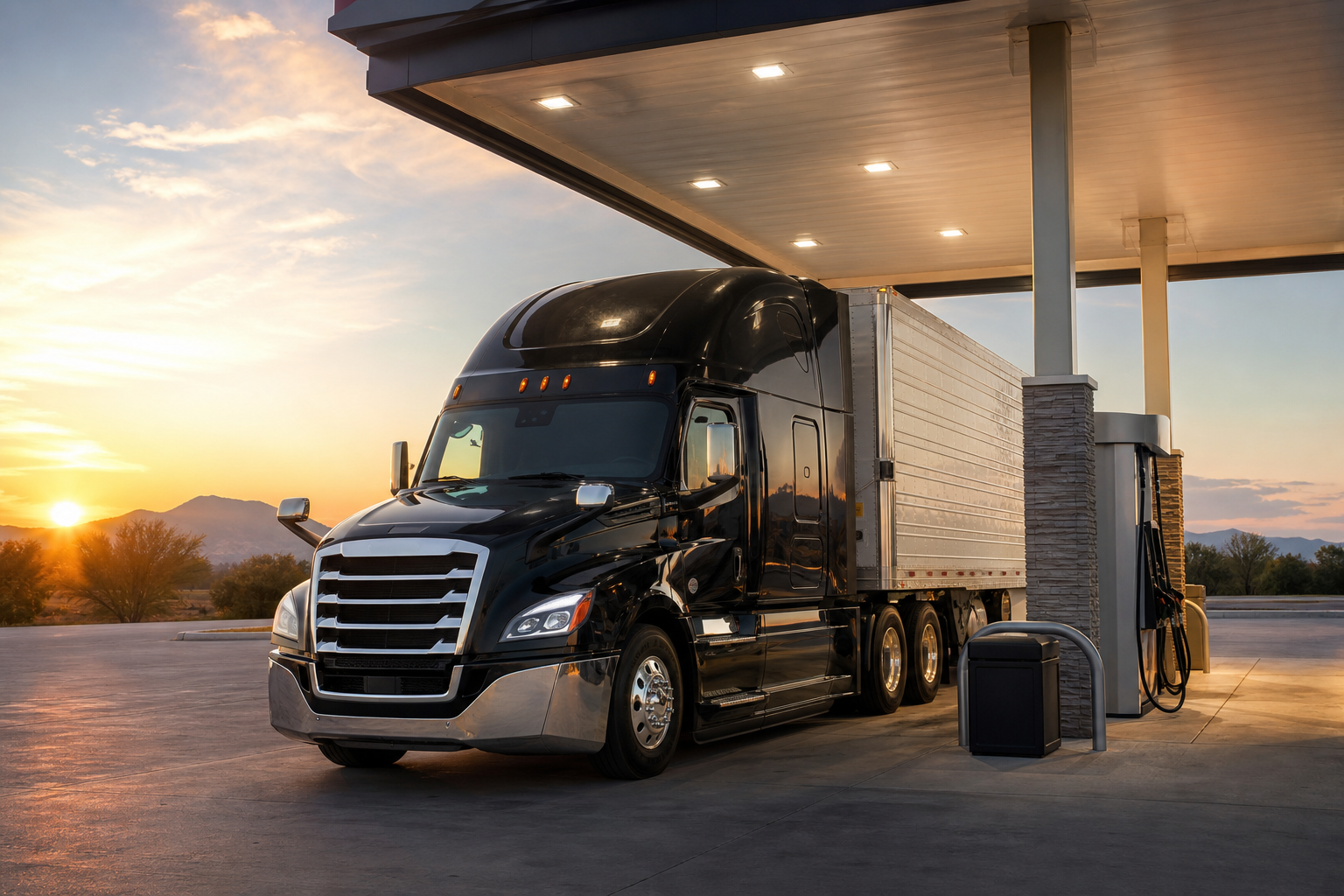
Most gas-engine towers assume truck stops are off-limits. That’s not true. Pilot Flying J, Love’s Travel Stops, and TA/Petro Stopping Centers — the three biggest chains in the country — carry regular unleaded at many of their locations. And because they’re built to fuel 80-foot semis, the lanes are wide, the lots are massive, and you pull straight through without any gymnastics.
That’s why diesel towers rarely think about this problem. Their fuel goes to the big-rig lanes by default. Gas-engine towers can use the exact same stops — they just have to know to look for them.
Tools that actually help you plan
TruckMap is the most direct option. It’s built for professional drivers and lets you filter by fuel type and truck-accessible lanes, so you can search specifically for locations selling regular unleaded with pull-through access. Most results will be the major chains above, plus a few independent truck stops.
GasBuddy is useful once you’ve identified your stops — good for price comparison along the route. Furkot works differently: it’s an RV-specific trip planner that routes you around fuel and camping based on your rig’s dimensions. Worth a look if you prefer planning the whole run before you leave rather than hunting stop by stop.
When you’re stuck with a regular gas station
Sometimes the only fuel for miles is a standard highway station. A few things to check before you commit to pulling in:
- Pull-through vs. pull-in bays. If the pumps run parallel to the road with an exit lane on the far side, you can leave without reversing. That’s usually the deciding factor.
- Entry and exit curb radius. The pumps themselves are rarely what gets you. It’s the curb cut on the way in and the radius on the way out. A tight entry on Street View is a no.
- Canopy clearance. Most travel trailers clear standard canopies without issue, but if yours has a rooftop A/C or a tall antenna, it’s worth one quick look before you’re committed.
- Truck or RV lane. Some highway-adjacent stations added a dedicated large-vehicle lane. It won’t appear in a maps search but it’ll be visible on Street View.
Google Street View is the single best pre-trip tool for this. Spend fifteen minutes on the stations along your planned route before you leave and you’ll already know which ones work.
Does switching back to diesel actually solve this?
Fuel access is a real, practical advantage of diesel. But it’s worth separating that from the other reasons someone switches.
The 7.3L Godzilla — Ford’s largest gas V8 for the Super Duty — is a genuinely capable tower. The performance gap versus a diesel shows up on long grades with a heavy trailer. That’s a legitimate concern and it’s separate from the fuel-stop question. If the hill-climbing bothers you, that’s a reason to consider diesel. Tight gas stations alone probably aren’t.
Diesel also means DEF fluid to manage, higher upfront cost if you’re buying new, and on older trucks, emissions-related maintenance that can get expensive. For plenty of people the trade-off is worth it. For others, a copy of TruckMap and a little pre-planning handles the fuel access problem without touching the truck.
The 7.3 pulling a 36-footer is fine on the mechanical side. The fuel stop challenge is a routing problem more than a truck problem.